

Application and production needs
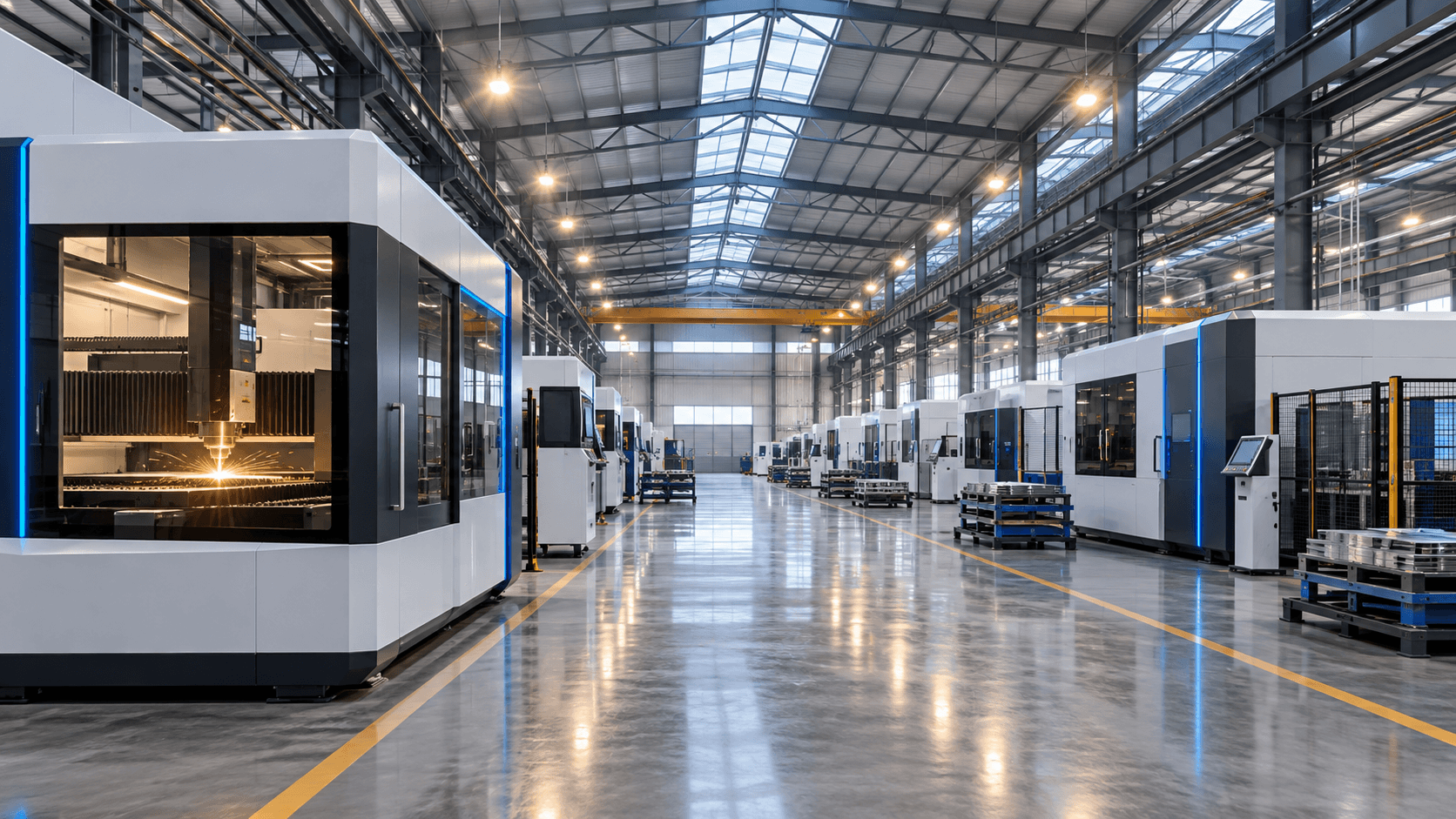
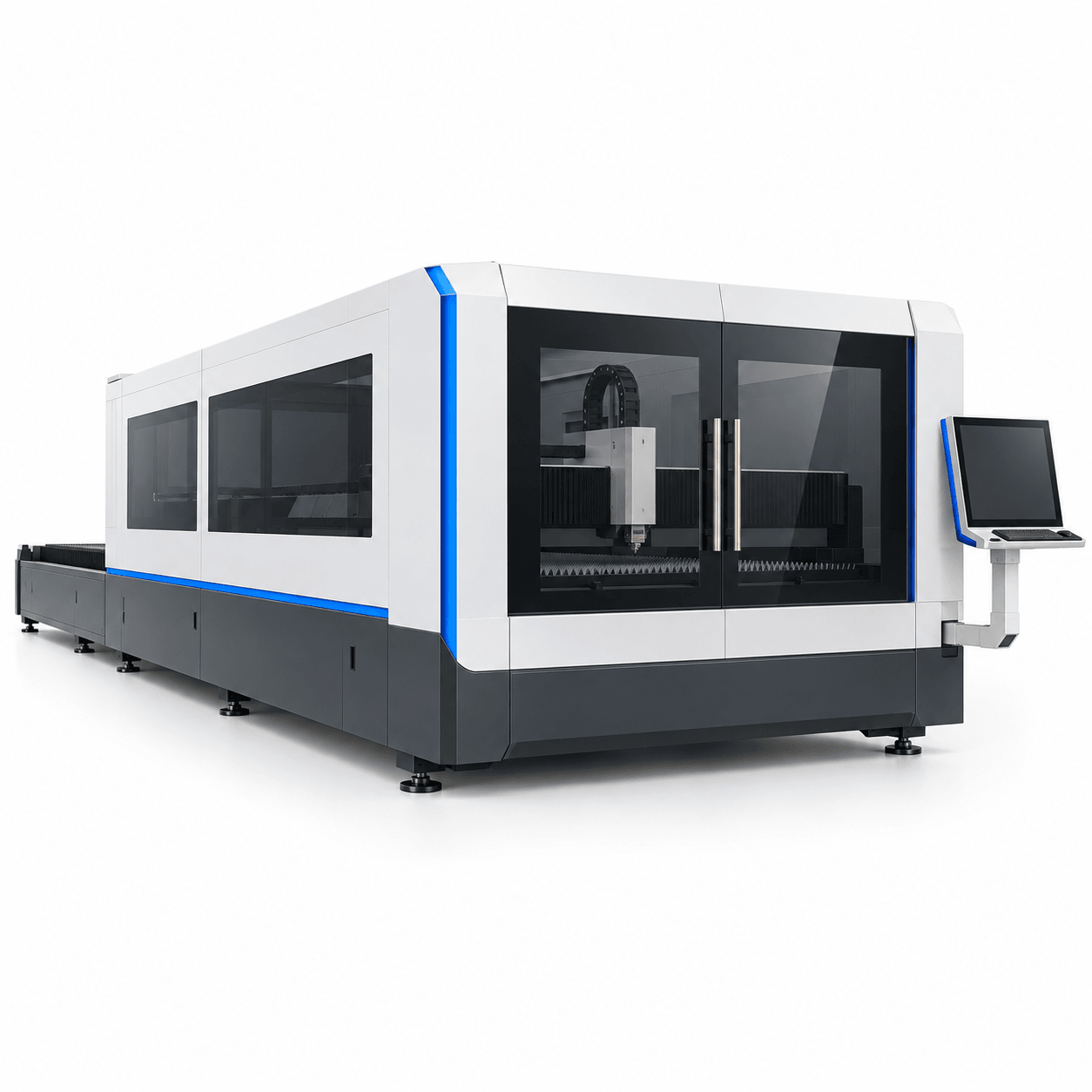
H6025 large-format plate system is presented for structural components and machinery base plates. Equipment selection starts with how a representative part moves through the workshop, rather than a comparison of headline specifications alone. Useful inputs include drawings, material grade, common thicknesses or sections, the order mix and the specific difficulty in the present process.
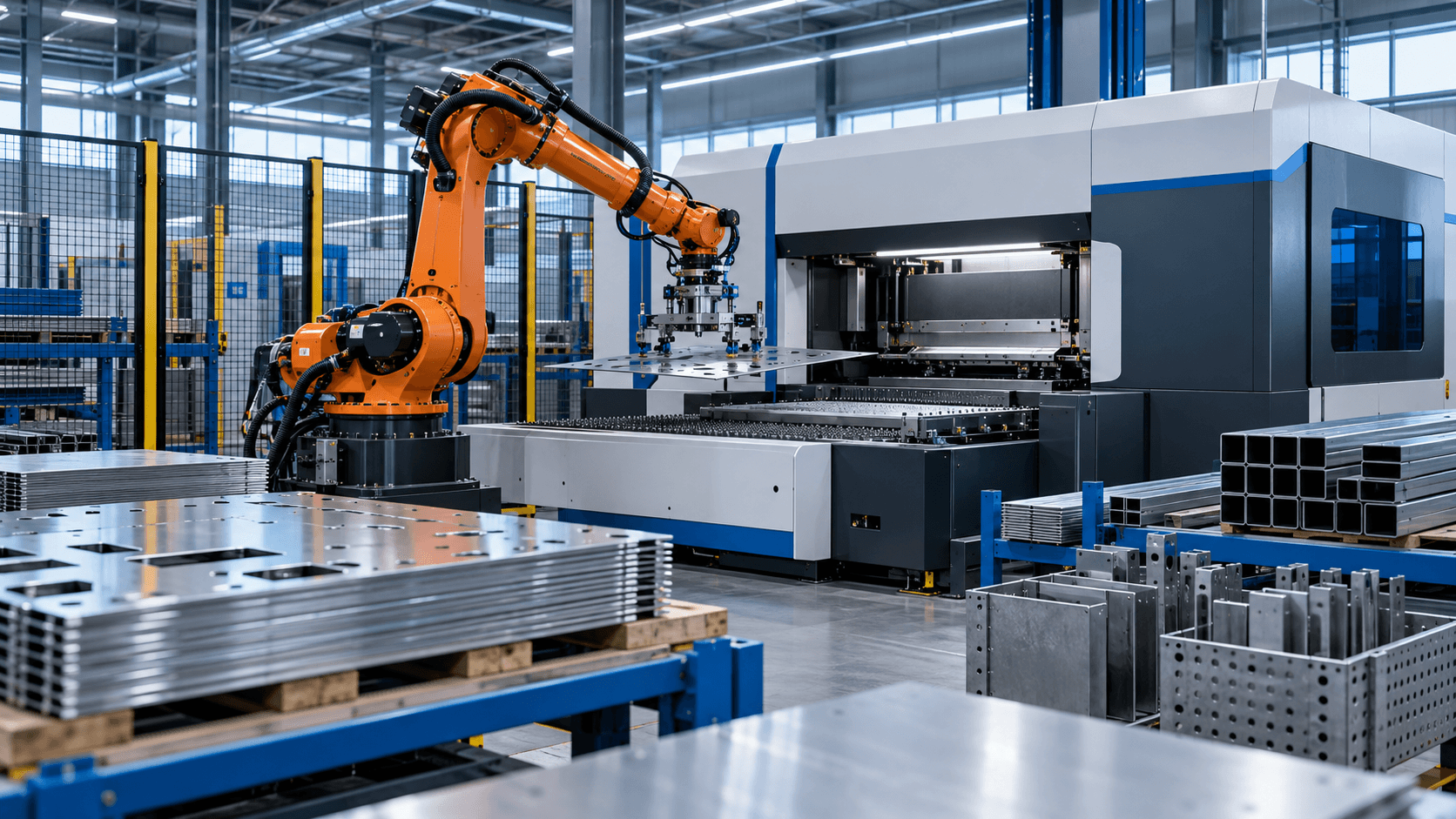
Provides working space for long components and plate orders, with configuration reviewed against lifting, flatness and edge preparation. The review therefore includes incoming stock, positioning, processing, finished-part collection and downstream assembly. Where development work and recurring orders share a machine, select samples from both groups and observe changeovers as well as the finished result.
Configuration and process integration
The 12–20 kW configuration and 6000 × 2500 mm range shown here are illustrative theme data, not a performance commitment for an actual product. A project proposal should consider the processing head, motion system, fixtures or supports, loading arrangement and ancillary facilities as one coordinated scope. Optional equipment needs a clear inclusion list, interface requirements and an agreed effect on the site layout.
For structural components and machinery base plates, holes, edges, joining faces and assembly tolerances may describe the requirement better than a single speed figure. Build the sample programme around these features and record the stock condition, settings and inspection method so comparisons have a shared basis.
From sample trials to repeatable work
Evaluate representative production parts, including routine geometry, difficult features and typical job changes. Agree the sequence for preparing samples, inspecting them and recording observations. Assess the result alongside the downstream process, adjusting drawing preparation, fixtures or the route through the shop when necessary.
Keep task names, material details, setup notes and first-part approval records clear enough for another trained operator to follow. Handover should include the instructions and training appropriate to the delivered system, rather than relying on informal recollection of a demonstration.
Installation, acceptance and support
Before delivery, confirm the working area, transport access, load conditions, utilities and any required ancillary facilities. Leave sufficient space for both stock and finished parts. Integrated projects also need interface ownership, commissioning order and the available production window agreed in advance.
Acceptance can cover agreed sample parts, functional checks, documentation, training and a list of actions to close. Conclusions about quality or cycle time should state the material and process conditions. Maintain the actual equipment according to its manufacturer’s instructions, with trained personnel and traceable service records. When making an enquiry, share your part type, stock specification, shifts and destination so the next discussion can be specific.